Seinfeld: Start at 'The Chinese Restaurant'
The one where nothing happens is the reason nothing ever needed to happen again — start here, not at the pilot.
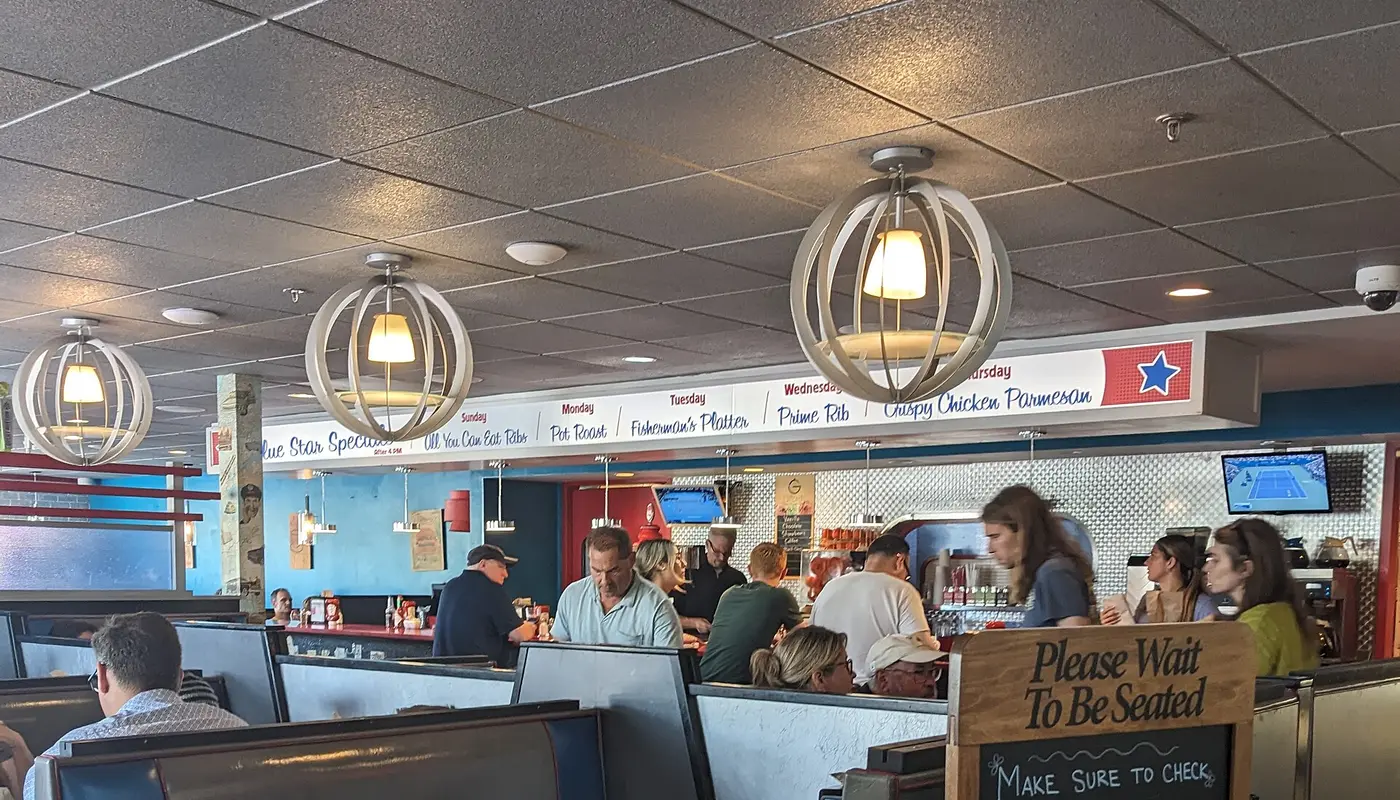
Twenty-two minutes, one waiting area, no plot resolved by the credits: that’s the case for starting Seinfeld at ‘The Chinese Restaurant’ rather than the pilot everyone tells you to skip.
By the middle of series two, the show already had its four leads and its rhythms sorted, but it was still basically a sitcom with jokes about a sitcom’s usual business — dates, jobs, favours. This episode is the moment it becomes something else. Jerry, George and Elaine are waiting for a table. That’s it. No cutaway, no subplot at the office, no Kramer bursting in with a scheme. The entire episode happens in something close to real time, in a single location, while nothing of consequence occurs. NBC reportedly wasn’t keen on it. You can see why: it breaks every rule about forward motion that half-hour comedy runs on.
Why this one, structurally
Plenty of shows are tonally about nothing — low stakes, small gripes, no sentiment. Seinfeld had already been that. What ‘The Chinese Restaurant’ does is formal: it takes the show’s stated philosophy and builds an episode’s actual architecture out of it. One set. One continuous stretch of time. The comedy comes entirely from the friction of three people stuck somewhere, which is a much harder trick to pull off than it looks, because there’s nowhere for a flagging joke to hide. If the scene isn’t funny, there’s no B-story to cut away to. It’s the writers proving, to the network and probably to themselves, that the premise could carry structure as well as attitude.
Who it’s for, and the catch
This is the right entry point if you want to understand why Seinfeld gets talked about the way it does, rather than just watching an outline of the jokes you’ve absorbed by osmosis. It also rewards viewers who already have some patience for a show that refuses to reward you in the usual ways — no hug at the end, no lesson, often not even much of a laugh in the final beat.
The reservation is a real one: taken cold, without the two prior series’ worth of context, the episode can feel thin rather than daring. Some of what makes it exciting is knowing what it’s reacting against — a genre built on incident. If you’ve never seen a normal sitcom structure, the joke of withholding it lands with less force. It also isn’t the funniest half-hour of the run by a wide margin; it’s the most important one. Watch it for what it unlocks in everything that follows, not because it’s the belly-laugh highlight reel. It rarely is, and it doesn’t need to be.
Newsletter
Twenty-two minutes, well spent
Get Sitcom Circle in your inbox. No spam, and one click to leave.
Weekly, on Thursdays · Unsubscribe any time. We never sell or rent your address; read the privacy policy.